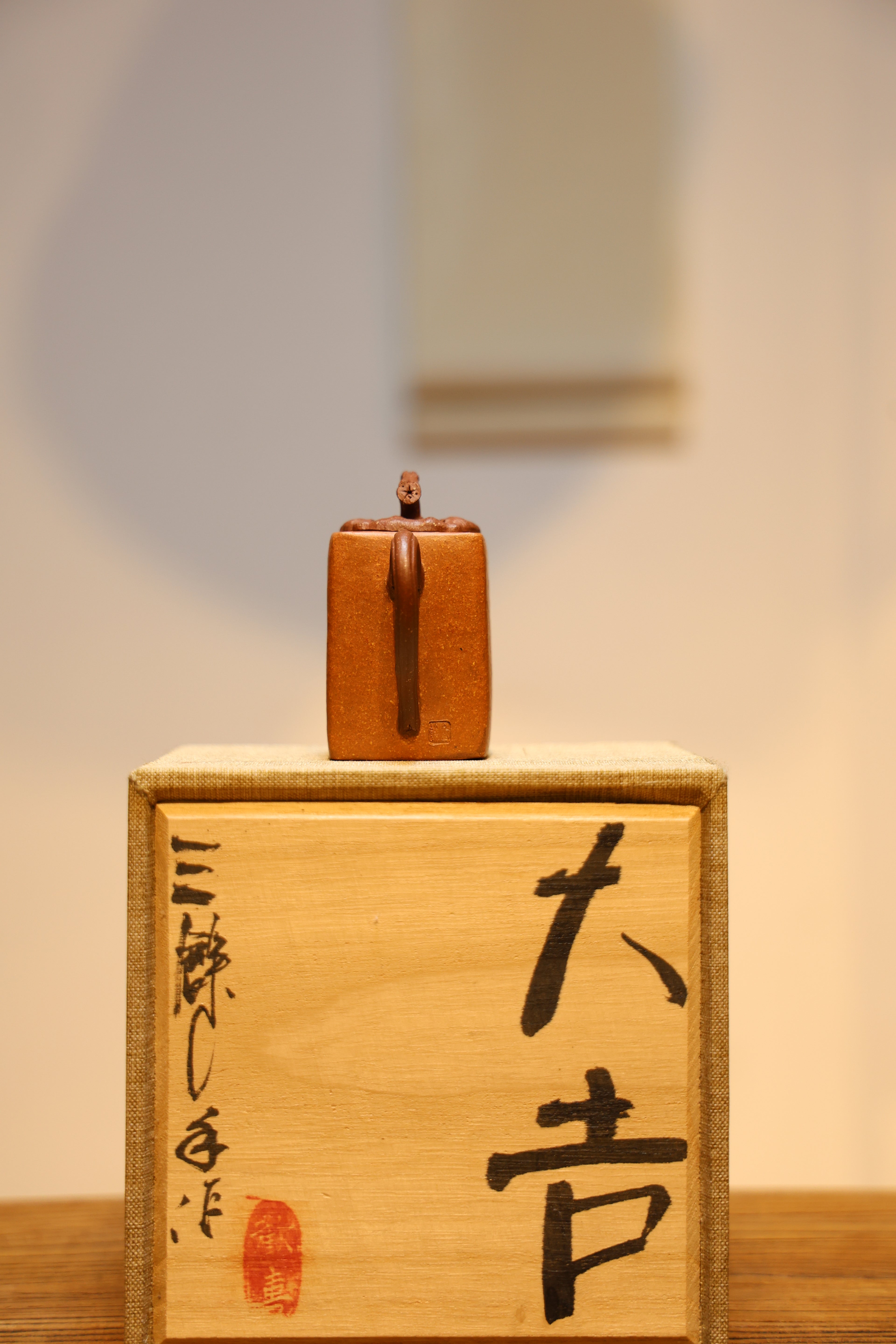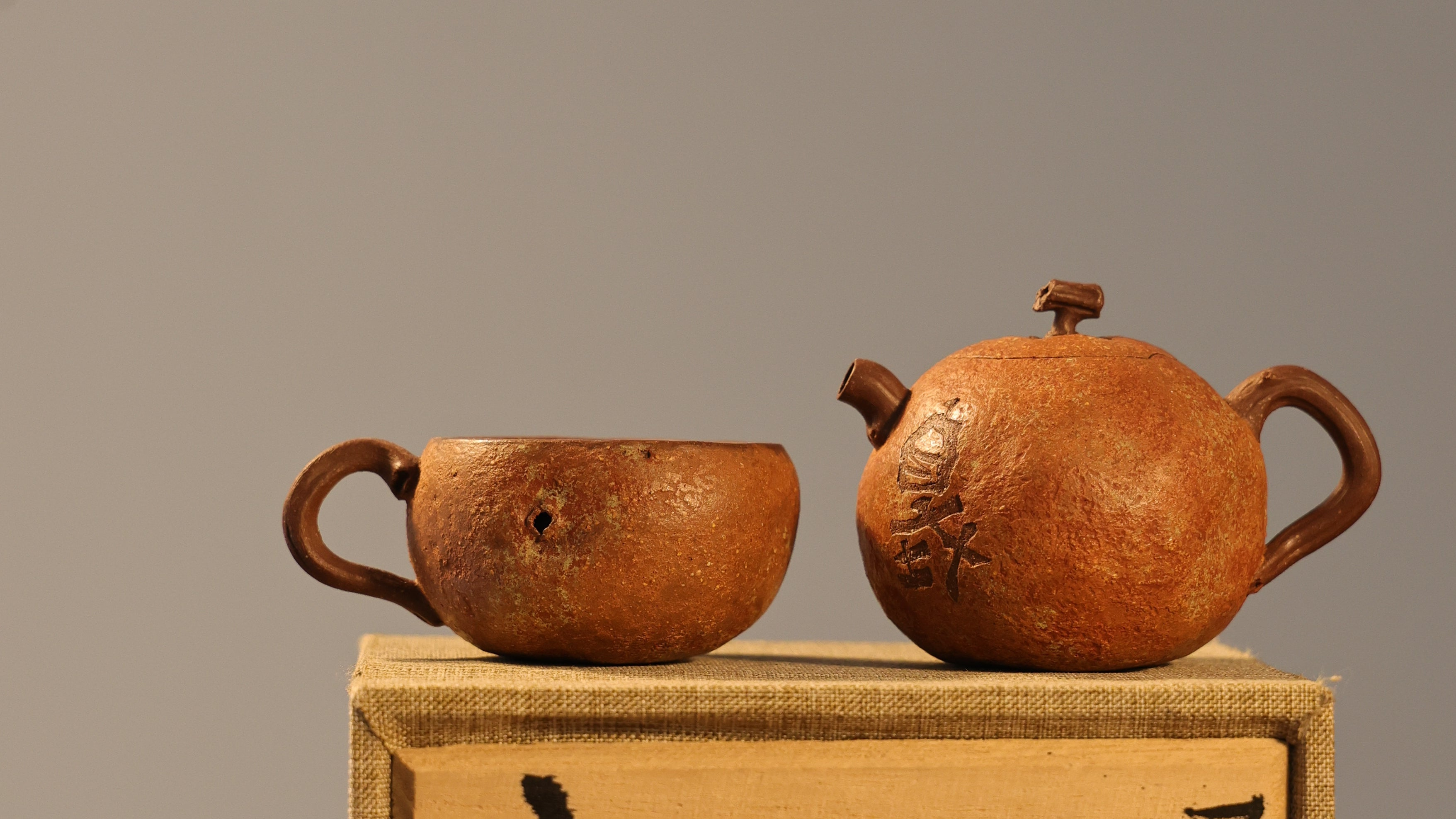
Generations in enthusiasts have long favored the unique appeal of Yixing Zisha pots. Originating in the small town of Yixing, the republic, these teapots are produced from a uncommon and mined purple clay noted for its premium thermal aspects and potency to augment the essence of infusions. Apart from their functional appeal, Zisha teapots exemplify a vast heritage tradition, designating them markedly coveted and a authentic gem for any zealous teapot collector.
Examining Yixing Earthenware
Yixing teapots display a unusual blend of history and seasoned craftsmanship. Hailing in Yixing, Jiangsu Area of China, their narrative dates back the Ming Dynasty, although clues suggest earlier versions. The singular wine-colored clay, called Zisha, found uniquely in the Yixing region, is the vital component, contributing to the pots' notable heat preservation and the manner they influence the notes of tea. Successive eras of potters have mastered techniques—often transmitted through families—including sculpting the clay, applying complex embellishments, and firing the pots at specific temperatures.- Historically, Yixing teapots were often furnished with simple designs.
- Eventually, more ornate carvings and representative motifs became popular.
- The oven firing itself is a pivotal element, requiring years of practice.
Accumulating Zisha Teapots: Key Insights
Embarking on a venture to collect Zisha kettles can be profitable, but it’s vital to discern what to look for. Authenticity is fundamental; focus on the earth’s natural tinge, a gentle reddish-brown is conventional. Examine the texture; genuine Zisha has a notable tactile sensation, often expressed as slightly uneven. The contour should be symmetrical and consistent with historical styles, while inscriptions, if present, require careful examination for validity. Don’t avoid to consult with savvy experts or recognized databases – their insight is precious.
Ancient Kettles: Exploring the Custom of this Purple Ware
Eons have seen Yixing Zisha teapots hold a important role in Chinese legacy. These exquisitely made pots, sourced primarily from the locality of Yixing, are well-known for their peculiar pigmentation, composition, and their ability to improve the flavor of infusions. Countless collectors value antique Yixing teapots, treasuring them considerably not only for their aesthetic elegance, but also for the chronicle they signify.
Yixing Zisha Teapots: This Premier Categories and Their Qualities
Yixing Pottery teapots, sourced from the authentic territory of Yixing, the Chinese territory, are noted for their singular clay and superb brewing functions. Within the various Zisha types, prominent sorts that are highly respected include Mingzhong. Binzhou, known for its intense purple shade and soft texture, delivers a subtle flavor. The Duan Ni type, recognizable by its reddish color and somewhat grainy feel, is viewed to enhance the depth. Lastly, Zhuni clay boasts an rare burgundy tone and can bestow a mild nuance. Each type offers a singular experience, enabling them extremely desirable to potion enthusiasts.
Refining One’s Purple Clay Cup
To access the beauty of your Yixing teapot, familiarizing oneself with the correct system is key. These clay receptacles, celebrated for their passability, will steadily absorb the soul of the tea you make within them. Begin by rinsing the pitcher thoroughly with clean water. Then, use only select natural leaf tea, as lower quality options can affect the pot’s delicate nuance. Always permit the leaves to open completely, and remember that with each serving, your Yixing container will become ever appreciated.
Caring for Your Precious Zisha Collectible
Proper attention for your Zisha urn is necessary to conserving its appearance Yixing Teapot and appreciation. Zisha clay, famed for its unique hue and grain, requires gentle handling. Never use caustic detergents, as these can ruin the surface. After every application, rinse the jar with mild water and allow it to cool off completely.
- Eschew soaking the urn for extended times.
- Sometimes use a soft towel to dust the exterior.
- Weigh applying a thin layer of food-grade lubricant inside the urn after drying, which can minimize staining.
Introduction to Yixing Earthenware
Yixing kettles, originating from the Yixing region in Jiangsu Province, part of China, are celebrated for their distinctive peculiarities. Produced from the unique purple material known as Zisha, these pitchers are prized by beverage enthusiasts worldwide. This manual will clearly explain the nuts and bolts – covering varieties of Zisha material, typical shapes, and key care advice. Understanding the heritage of Yixing earthenware can expand your appreciation for this classic example of Asian custom.
Expertise of Eastern Pots: Focusing on Zisha sourced from the Yixing district
Zisha substance from the Yixing territory represents the pinnacle of Yuan vessel design, showing a exclusive amalgamation of raw beauty and valuable artistry. These famous pieces are honored for their rich color palettes, often spanning dark purples and brown hues to gentle greys and pale beiges. The distinct mineral composition of the area’s Zisha material imparts a defining texture and yields a desirable aroma that elevates the total infusion experience, causing them extremely prized collectibles and vital components of any serious brew.