This conventional samurai blade is a magnificent creation of artistry, but think you seek to exhibit your unique mode? Adjusting your tool is a rewarding journey, allowing you to fashion a truly distinctive piece. From the shaft wrapping and sheath to the handpiece design and heat mark, each feature offers a chance for tailored look. This study delves into the sphere of katana modifications, providing details for both initiates and experienced enthusiasts pursuing to establish their mark on the time-honored art of the samurai.
Freshman's Authentic Artistry
For starters motivated to embark on the exciting journey of historical swordplay, 1060 steel katanas offer an outstanding entry point. This defined grade of fundamental steel strikes a nice compromise between economical cost and excellence . While not as hard as top-tier steels, 1060 supports a suitable level of cutting preparation , making it beneficial for beginners to practice the core principles of edge management and embrace the refinement of expertly made Japanese weaponry. It’s a outstanding choice for building experience without the financial burden of more sophisticated steels.
10# Steel Swords : Achieving Effectiveness and Cost
Assisting practitioners seeking an authentic blade experience without shattering the wallet , T10 metal katanas represent a attractive option. These tools offer a noticeable improvement in durability compared to lower-grade alternatives, exhibiting reasonable edge retention and satisfactory flexibility for initial hacking techniques. While not rivaling the excellent characteristics of elite steels like T100 or folded alloy , T10 provides a impressive blend of power and profitability, making them a appreciated choice for rookies and those on a narrow resources .
Overcoming the Cutting Surface : Tailoring Your Cutting Weapon's Hardware and Hold
Considering the buffed steel is undeniably the focal point of a katana, truly heightening its appeal lies in the thoughtful customization of its fittings and haft . This procedure allows individuals to manifest their individual taste . Weigh the extensive possibilities: menuki - decorative decorations that bring visual interest ; the hamon sheaths – often masterfully etched ; the tsuka basis itself, wrapped in authentic ito binding ; and the fusa end piece , which can be designed from various components like gold or tusk .
- Choose subjects that connect with you.
- Evaluate with diverse composites .
- Focus on robustness for a long-term result .
The Attraction of the Katana: Legacy, Artistry, and Steelwork
An historical weapon possesses a exclusive allure, steeped in phases of the nation's history and folklore . More than merely a weapon of conflict , it's a sign of the samurai ethos – a fusion of expertise and command . Its development spanned many generations, with early metallic weapons evolving into the slender curvature and efficient edge we perceive today. The production involved is truly remarkable , requiring lifetimes of education to achieve . The process involves a complex folding of forged iron , creating layers that boost the steel’s flexibility and cutting ability. Various schools of blacksmithing started , each with their special secrets and formulas for achieving the ideal poise and acuteness - a truly strenuous pursuit.
- Original Katana styles
- The importance of the katana in warrior culture
- Ancient metalworking approaches
Choosing the Perfect Steel for Your Sword Project Project: 1060 vs. T10
Electing the appropriate steel is decisively important for any weapon project, and the resolution between 1060 and T10 can be tough. 1060 is a regular American fabrication, offering a respectable balance of robustness and fortitude, enabling it moderately easy to handle. However, T10, a East Asian steel, frequently boasts increased wear durability and can conceivably achieve a increased peak hardness, although it can be considerably demanding to work with and requires refined heat modifying. Consider your capability and preferred effects: for a newcomer, samurai sword 1060 may be a more origin, while the expert smith might value the supplementary qualities of T10.
- Ease of Utilizing
- Resistance
- Definitive Durability
Revealing the Strength: Expert Katana Improvement Strategies
Honing the expertise in edge enhancement extends far beyond basic polishing. Serious professionals are now examining advanced techniques to truly unlock a blade's hidden potential. This demands intricate work with the quenching mark, utilizing specialized materials for differential processing and carefully determining the design of the defense plate to optimize balance and effectiveness. Beyond purely functional tweaks, artisans are increasingly focused on attaining unparalleled aesthetic appeal, through complex cutting and layered coatings that truly transform a katana into a artistic composition.
From Ordinary Steel to Fine Blade: Fabricating a 1060 Katana
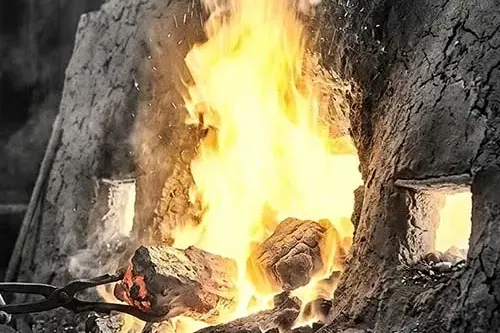
The journey commences with conventional 1060 alloy , a robust material far removed the ornate katana it will change . Talented bladesmiths apply a multifaceted process of combining and fabricating the base steel, repeatedly annealing it and pounding it to clear impurities and fashion a steady grain structure. This arduous process, often enduring for stretches , builds the important toughness and malleability characteristic of a true Japanese saber . Later heat treatments , including exact hardening and setting , are critical to achieve the sought-after proportion of sharpness, stability and grace .- Combining: Diminishes impurities and creates grain structure.
- Molding: Molds the steel into the initial blade form.
- Hardening: Determines the final hardness and flexibility.
The Everlasting Fascination of the Katana: Broad Investigation of Metalcraft and Adjustment
The classic katana endures a forceful symbol signifying Japanese folklore, its appeal far extending beyond mere martial implements . Forged from distinctive steel and regularly featuring intricate ornaments , the way of creation itself is a venerated art. Beyond the foundational craftsmanship, the ability to personalize a katana - from the hamon to the hilt wrapping and collar - grants for a deeply individual representation for both fans and handlers alike. This mixture of age-old steelwork and boundless personalization causes the katana's continued renown across the sphere .