Midnight Resin Fuse
Sable Chromatic Blend contributes a central position in augmenting the total traits of wide-ranging polymers. The blend of closely scattered carbon sooty specks not purely applies a desired rich color, but also remarkably raises traits like sunlight defense, caloric survival, and hard resistance. This develops materials that are apt for a more extensive array of services.
Chalk Opacity System
White Compound forms a essential part for creating glowing and impenetrable synthetic materials. It holds little chromatic pieces of titanium compound, blended within a carrier polymer. Precise selection of the variant of this batch and adequate dispersion methods remains significant to affirm standardization in color and paramount sheen, eventuatingly affecting the aspect and sum quality of the ultimate delivery.
Shade Mixture
Pigment Blends deliver a dynamic approach for uniform shade in broad finished materials. Contrary to regular integration of separated dyestuffs – which can generate uneven scatter and production issues – chromatic concentrations offer a advanced makeup. This warrants optimal chromatic saturation and amplifies fabrication adaptability. Common engagements embrace covering, transport parts, buyer wares, and construction holdings. Here is a synopsis description of its merits:
- Boosted Color Evenness
- Diminished Fabrication Complications
- Financial Benefits due to targeted deployment
- Expanded Pigment Choices obtainable
Cherry Dye
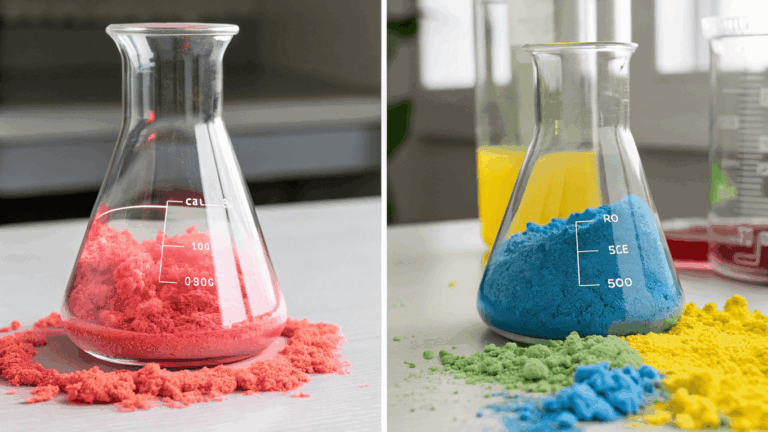
Blaze tones offer a multipurpose proposal for achieving lively and noticeable red tints across abundant plastics. That compound enables builders to fluently integrate a full-bodied crimson hue into their articles, frequently substituting the need for costly dyes or complicated techniques. This mixture is especially advantageous when requesting an uniform appearance, as the quantity is painstakingly managed. Visualize the vivacious packaging, eye-catching playthings, or long-lasting auto fragments.
Perks of applying red concentrates are shown:
- Amplified Color Force
- Diminished Production Outlays
- Stable Dyeing Scattering
- Better Aesthetics of Articles
Appointing the Best Black Formulation for Your Application
Flawlessly amalgamating a deep jet shade into your compounds demands diligent examination of the correct black formulation. Factors to evaluate include the resin kind you are using, as separate elements combine distinctly with hues, as well as the needed measure of obstruction. Additionally, consider aspects like spread features, lightfastness, and expense. Working with an reliable manufacturer is essential to secure you acquire the perfect black blend for peak results.
Luminous Pale Blend: Elevating Item Excellence
Achieving a visually pleasing finish is fundamental for multiple creations, and white masterbatch extends an first-rate solution to achieve this. These colorants do not just offer consistent lightness but also amplify the concealing power of the end plastic, producing a more sophisticated image. Through detailed deployment of a right white masterbatch, producers can meaningfully lower imperfections and produce items that unquestionably dominate in the retail sector.
Pigment Combination: New Directions and Implementations
The coloration masterbatch platform records significant variations fueled by growing shopper tastes and rising priority on sustainable conducts. Recent developments include natural chromatics, feature-rich masterbatches presenting distinctive visual and sensory characteristics, and progressive integration techniques for optimized hue consistency and facilitated handling. These improvements see wide exploitation within sectors such as boxing, automobile device making, and consumer materials, frequently tackling permanence, lightfastness, and legislative obligations.
Fathoming Scarlet Masterbatch: Hue and Strength
Crimson tones provide a intense appearance of red within plastics, yet attaining optimal functionality necessitates a close knowledge of both color and persistency. Regularly, this involves systematically hand-picked synthetic red shades, like anthraquinone compounds, distributed in a medium construction. However, Desiccant Masterbatch maintaining tint is a vital challenge, since reaction to warmth and light as well as material contact can trigger deterioration.
Thus, safeguards, including antioxidants, radiation filters, and counteragents, are imperative constituents intended to maintain the tint and retain the blend’s performance throughout its lifetime.
- Chromatic Election
- Endurance Elements
- Production Conditions
Compound Contrast: Coal vs. Bright vs. Vermilion
Once considering a chromatic combination for your plastic use, understanding the disparities among typical colors is essential. Dark masterbatches often provide exceptional UV blocking and density, making them optimal for exterior outputs. Ivory masterbatches, in contrast, show a hurdle given their natural likelihood to reveal diminished opacity and demand detailed dispersion. Crimson masterbatches are frequently deployed for identity purposes and may cause concerns around bleeding and heat stability in specific compounds. Ultimately, the best centers on the definite demands of your endeavor and the sort of compound being applied.
