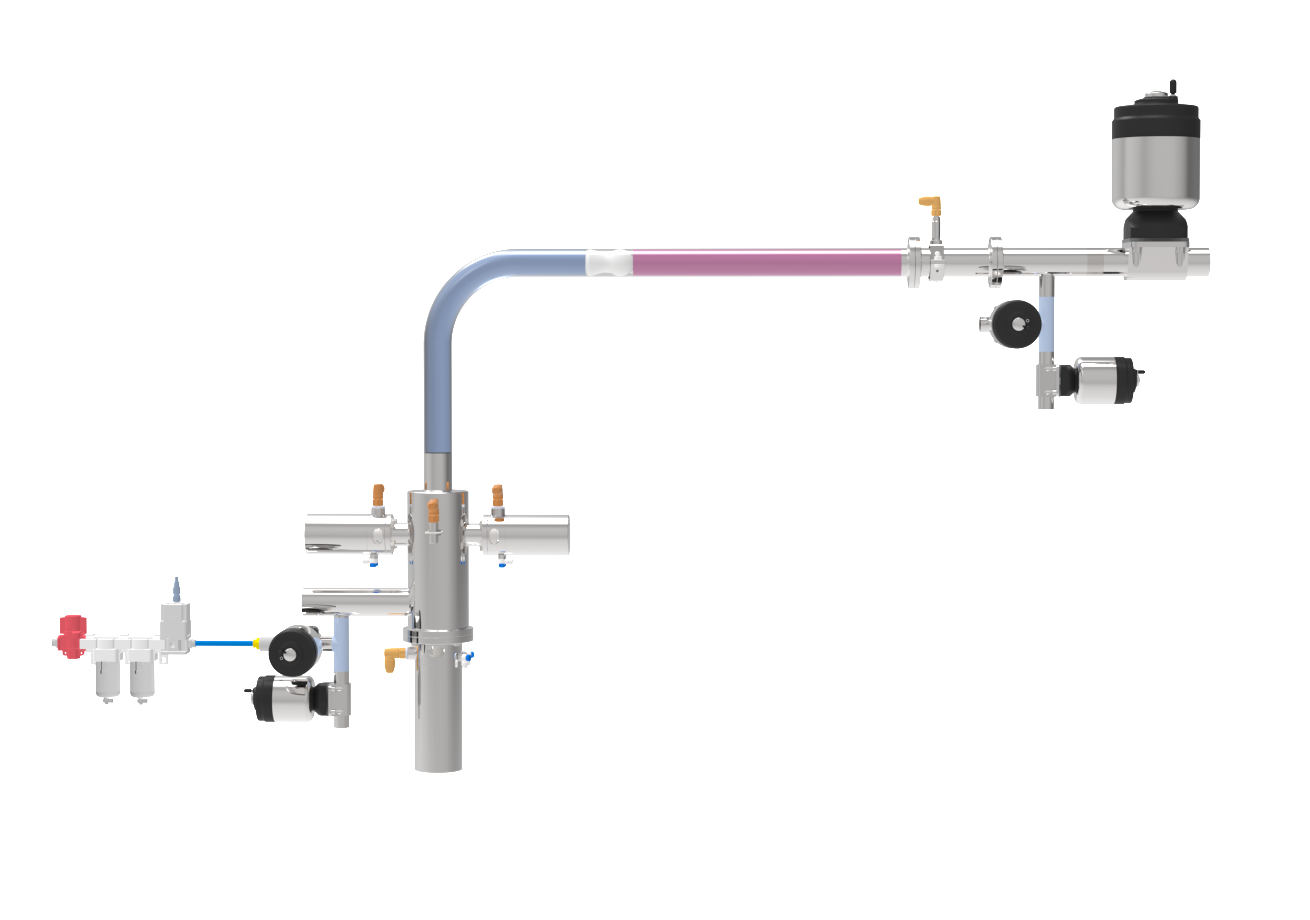
Increasingly prevalent ordinary washing field, fluid displacement offer a substantial improvement in processing detergent powders. This groundbreaking tactic minimizes waste of concentrated powder by utilizing a slug to force it through the pipe – effectively emptying the receptacle. Grasping the essentials of these frameworks can cause budget cuts and a strengthened nature-friendly performance.
Detergent Pushers Revamp Cleaner Dispensing
The classic method of transporting cleaning detergent presents considerable challenges, often leading to loss and poor performance. However, a new approach – pigging systems – is radically remodeling how establishments handle these extensive materials. These systems utilize a soft "pig," a dense tool, to push the detergent through a passage, skillfully eliminating gaps and ensuring nearly entire product extraction. Benefits include reduced excess, boosted capacity, and a lesser environmental impact.
- Diminishes detergent scrap
- Elevates production competence
- Stimulates green practices
Streamlining Fabric Cleaner Transit through Pigging
Improving effectiveness in washing facilities often involves addressing hurdles related to detergent spread. Traditional systems frequently experience loss due to residual detergent clinging to pipes and lines, leading to increased operational payments. Pigging methods, originally utilized in the oil industry, provides a compelling fix to this issue. By sending a “pig”—a specialized gadget—through the detergent pipelines, these systems effectively remove remaining product, maximizing harvest and minimizing unnecessary material. This ultimately results in a more ethical and budget-friendly laundry system for firms.
Gains of Pipeline Pigging for Washing Powder Generation
Implementing pigging systems offers meaningful advantages for detergent powder production facilities. These systems productively evacuate product deposits from tubes, minimizing scrap and minimizing downtime during servicing. Consequently, full output is strengthened, resulting in diminished payments and a eco-friendly practice. Furthermore, displacement tools assists to sustaining excellence by preventing blending between series and ensuring a spotless final formulation.
Reducing Waste & Improving Efficiency: Laundry Detergent Pigging
Laundry wash product manufacturing can cause significant discard material, but a innovative process called “pigging” offers a method to lower this obstacle. This operation involves using a pliable tool, the "pig," to force remaining compound from the fabrication lines, often cast off as loss. By reclaiming this previously rejected cleanser, companies can markedly minimize budgets and improve overall production productivity. The environmental perks are also significant, as it lowers the measure of residue sent to garbage dumps.
- Shrinks Material Spending
- Raises Commercial Efficiency
- Reduces Environmental Impact
Adopting Pigging Technology for Fabric Soap Processes
To enhance yield and lessen downtime in your laundry cleaning production plant, evaluate installing a pipeline system. This novel mechanism reliably eliminates unwanted compound and coating from ducts, hence raising output and lowering leftover. A well-designed pushing plan can also lengthen the duration of your pipes organization, giving rise to notable expense profits and a more ethical function.
Renewable Methods in Washing Compound Pigging
The practice of laundry cleanser recycling presents a enlightening way towards a enhanced sustainable prospect. Frequently, leftover detergent remains in receptacles become refuse material, contributing to green strain. However, this fresh practice involves gathering these retained volumes and reprocessing them into profitable items, specifically pigging system for laundry detergent nutrient supplement or industrial constituents.
- Reduces dump amount
- Minimizes reserve exhaustion
- Offers a green business scheme
Developing Slugging Systems for Laundry Soap Needs
The planning of a cleaning structure for laundry washing agent purposes presents specialized obstacles. Exact evaluation must be given to the texture of the material, which can change considerably depending on design and ambient condition. In addition, the severity of certain ingredients necessitates the use of tough propeller material and correct duct structure. Successful slugging involves a focused pressure pattern to ensure entire displacement of persistent material and prevent clogs or break to the tube layout.
Repairing and Maintaining Laundry Cleaner Pipeline Units
Regular proactive support and rapid troubleshooting are vital for ensuring the functionality of laundry laundry soap pigging arrangements. Prevailing issues cover blockages within the duct, soap buildup restricting flow, and pump glitches. Planned inspections, covering observational surveys of hoses, unions, and the pig itself, are indispensable. Solving these problems speedily – often through washing out the system or installing worn units – can lower costly cessations and amplify the operational life of the entire system.