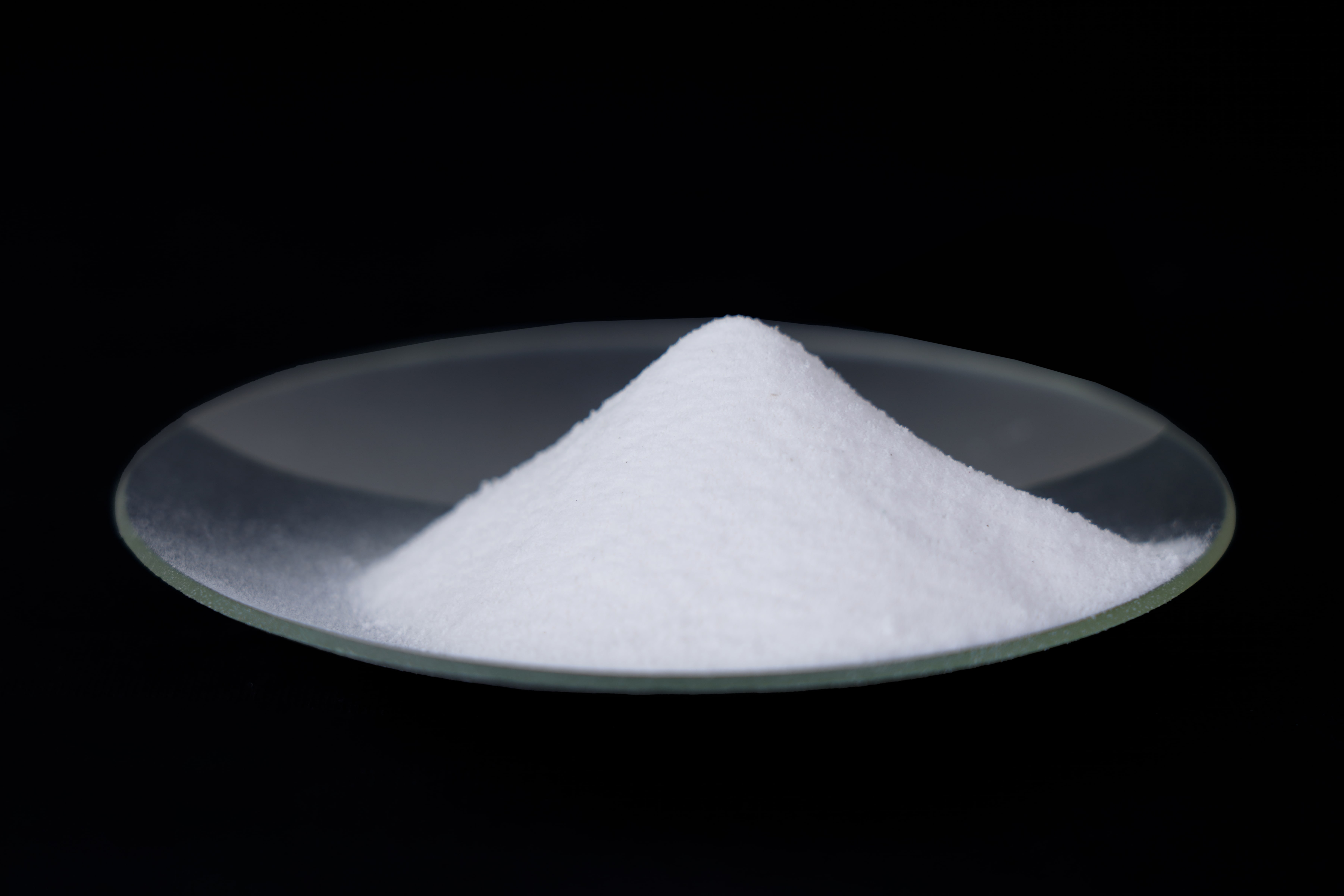
Setting offDiatomite filter aid operates as optimal refining element commonly used in various industrial uses, particularly in the food and drink sector. Coming from the fossilized remains of paleontological algae, it shows a unique permeable architecture that supports premium cleansing. This compound functions by creating a delicate filtering bed on a filtration system, collecting microscopic matter while allowing the liquid to diatomaceous earth pass through. Choosing the right type of siliceous filter medium is vital for peak operation.
Leveraging Siliceous Microfossils Powder for Separation
Fossilized material, composed of the fossilized remains of microscopic algae called diatoms, presents a unique solution for clarification various inputs. Its structure, a lightweight network of glass-like shells, provides an incredibly substantial surface area. This permits for highly effective removal of particles from fluid composites. Exploits range from aqueous clarifying and beverage production to water environments treatment and even cultivation procedures. Benefits include its biosourced origin, financial prudence compared to many synthetic alternatives, and its ability to profoundly seize a diverse range of toxins.
- Presents superior solid removal.
- Functions as a renewable choice.
- Applicable for wide-ranging domains.
Processed Bleaching Stratum: Attributes and Uses
Activated bleaching compound is a class of untreated bentonite that has undergone targeted modification to enhance its capturing capacity. This practice typically involves enzymatic modification, resulting in a highly porous architecture with a large coverage. Consequently, it exhibits remarkable skill to adsorb tints from a diverse collection of media, finding fundamental roles in the clarification of lipids, waxes, and other carbonaceous ingredients. Moreover, its sustainable nature and budget strength contribute to its growing demand in various arenas.
Diatomaceous Earth Compared to Alternative Filter Agents
Choosing the top filter medium for a specific process can be complicated. While silica gel and other options exist, diatomite commonly presents a influential case for its advantage. Relative to these adversaries, diatomite generally offers enhanced lucidity and a stronger rate of removing sediments. However, one's top choice ultimately relies on variables such as expenditure, deployment requirements, and specified product standard.
The Theory of Diatomite Filtration
Diatomite or fossilized diatoms filtration straining leverages the unique uncommon structure of aforementioned microscopic negligible algae samples. These specified diatoms, upon or after death, form or create a sedimentary siliceous rock substance composed made of intricately delicately porous cellular silica quartz shells. This such porous sponge-like network matrix provides an incredibly surprisingly large volume for catching particulate suspended matter contaminants from across liquids fluids, achieving or accomplishing highly or effective specialized filtration sifting.
Advancing Purification Processes of Modified Earth
Boosting this bleaching treatment applying enhanced earth presents a potent approach for boosting performance. The referred environmentally safe material, extracted from mud, possesses significant combined features that make possible for it to efficiently remove dyed dyes from materials, thereby reducing utilization of harsh industrial chemicals and encouraging a cleaner operation.
Comprehending The Types of Diatomite Filter Powder
Deciding on the correct filter media quality is important for productive filtration processes. Porous sediment grades are sorted by their crystalline magnitude, typically expressed in fine scales. Lower grades, like FF or Filter-X, offer top-notch purity and are appropriate for sensitive liquids, while rougher grades, such as Perlite or Celite 500, offer a stronger liquid transfer for diminished uses. Understanding these divergences will assist you to advance your filtering outputs and minimize outlays tied with the operation.
Environmentally Friendly Sourcing of Fossilized Algae Earth
The booming demand for diatomaceous earth necessitates a concentration on durable sourcing strategies. Traditional procurement often involves significant land disturbance and can alter local ecosystems. Presently, forward-thinking entities are exploring alternatives, such as recovery of vacated sites, ensuring minimal disruption and safeguarding habitat habitats. Furthermore, monitoring in the distribution is growing crucial, allowing customers to adopt informed choices and back environmentally responsible actions. To that end, responsible oversight of microfossil earth earth reserves is vital for ongoing availability and minimal environmental impact.
- Diminished land interference.
- Rejuvenation of collection sites.
- Improved traceability in the chain.
Refined Lightening Substance: A Research Understanding
Analyzing a academic perspective, activated whitening clay represents a particular class of phyllosilicate minerals. At first, kaolinite mud is molecularly modified via enhancement – typically involving alkaline application – to dramatically improve its capturing traits. That modification creates a considerable region with a significant number of anionic locations, facilitating the adsorption of chromatic factors from aqueous phases. The dynamics mostly involves ionic associations and interatomic forces, prompting a refined material.